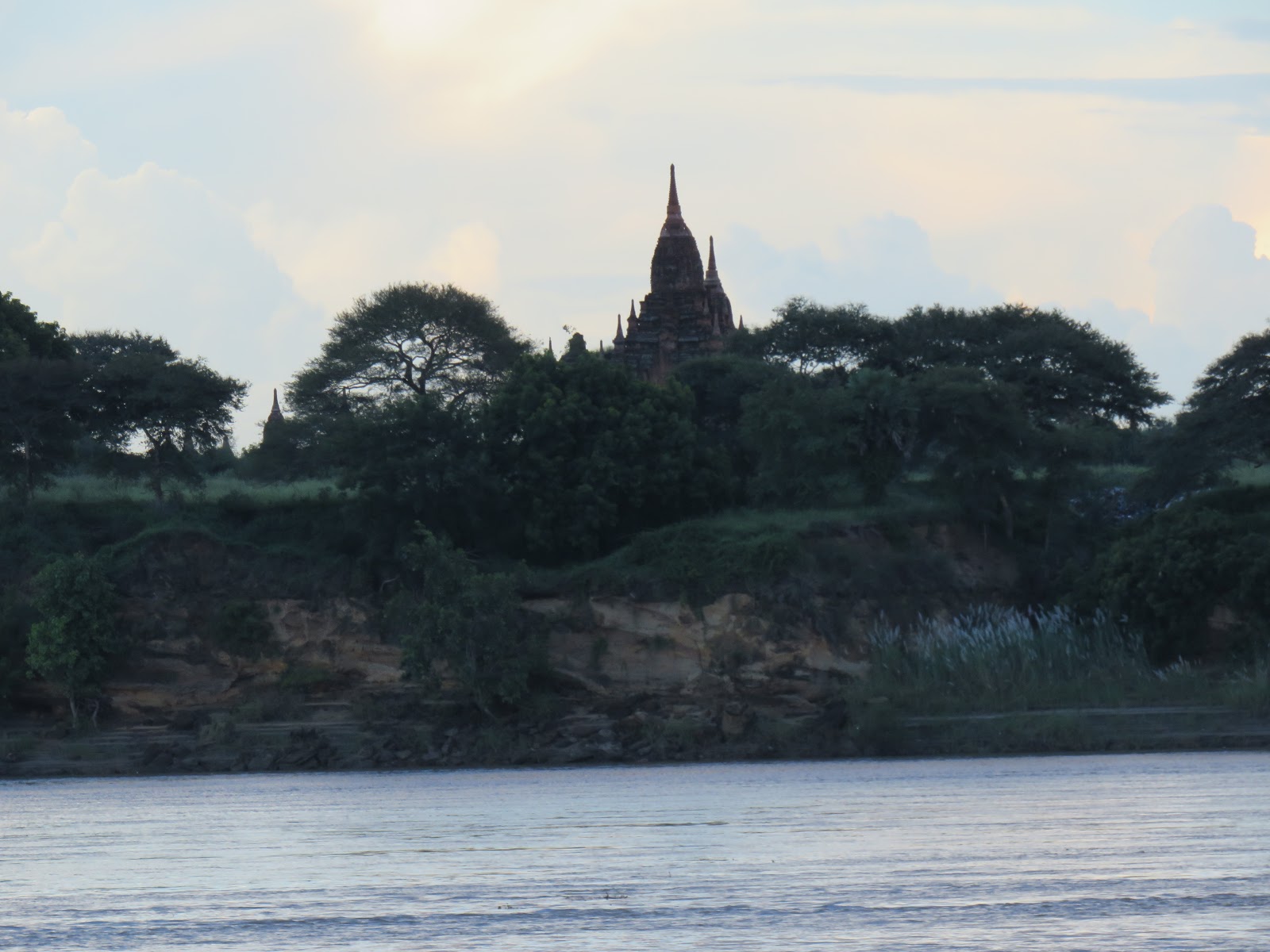
ALASKAN COASTAL VOYAGE


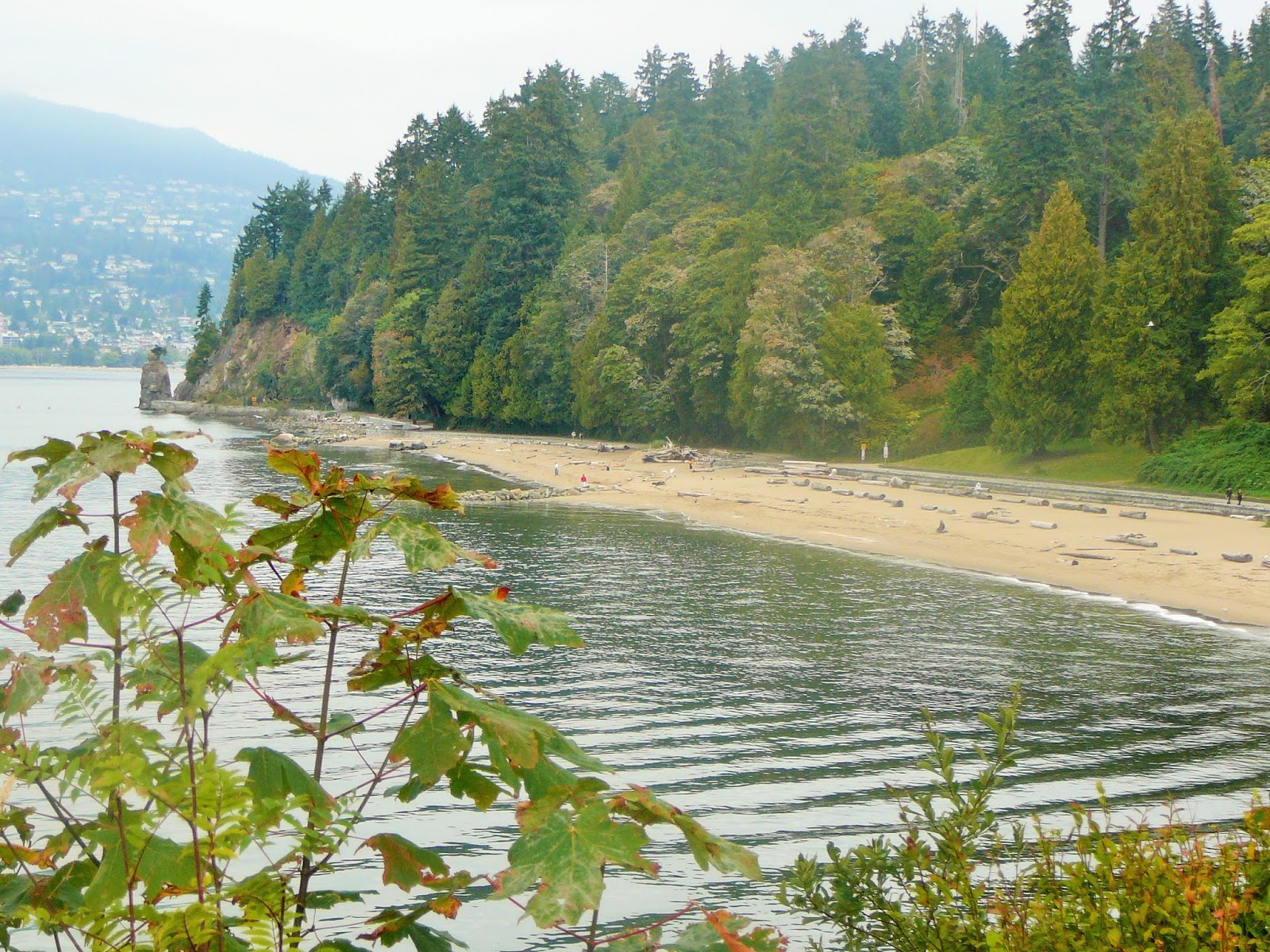
Flying to Vancouver with Zoom airlines, a Canadian budget company, was better than I expected; it was the queue at Immigration that was a nightmare. After a good night’s sleep, I was ready to go off exploring - I only had one full day in Vancouver and wanted to make the most of it. First, I headed to Stanley Park, a huge park in the city centre. Starting at the Lost Lagoon, through the underpass, and then I walked around the “8km” seawall starting at the Yacht club.

I passed a totem pole display, a lighthouse and a bronze statue of a girl on a rock, before coming to a damaged section of the seawall where I had to head inland through the forest to Beaver Lake (which was covered in a mass of water lilies).

This walk was never 8km! I headed towards the sea again, Third beach, then Second beach - a lovely area with a pool and lots of play activities.

After passing English beach, a favourite weekend spot for the locals, I turned back towards the city, through an area known as Gas town and saw the most unusual steam powered clock that played a tune and steamed every fifteen minutes.

I passed the Canadian Pacific Railway station and ended up in Chinatown — which was the most scary place ever! When I arrived back at the safety of the hotel, I had walked miles and was now looking forward to a rest on board ship tomorrow! Next morning, we were heading down to Seattle to catch the ship; but had to stop at the American border and waited there nearly four hours - it was dreadful. Someone on my coach was detained and we never saw him again! It was torrential rain as we headed through the state of Washington, and I could only imagine how beautiful the thick, green forest would have looked, that we were speeding through - finally arriving at the port of Seattle with no time to spare.

I was so excited to be directed to my "stateroom" - there were people everywhere in life jackets - it looked like I had missed the life boat drill! My room was far nicer than I expected, with a good-sized bed, settee, table, TV/DVD, bathroom etc; and the ship itself was more luxurious than I thought it would be. After quickly unpacking I went up on deck; luckily it had stopped raining, and I was able to enjoy watching us set sail.

You could hardly tell the ship was moving, it left Seattle so gracefully and the sea was very calm - I could cope with this! I had heard that if you felt sea sick, you could get some special tablets from the reception! I explored the ship, got rather lost, and discovered lots of bars and restaurants! I had a wonderful dinner - there was such a choice of food, I was going to have to be very restrained! And when I got back to my cabin, there was a basket of fruit and chocolates on the bed – more food!
 Also, I had mail - a newsletter telling me of tomorrow's activities and letter saying that as I had missed the life boat drill I would have to do it tomorrow – so I hadn't got away with it! I woke often through the night with the rocking - the sea must have been getting rough. I found that on the TV I could see the front and rear view of the ship - that enabled me to check what the weather was doing and to see if it was light!
Next morning the rain had stopped and the sea looked a picture with the sun glistening and whales and porpoises spouting water into the air. After breakfast it was time for the “Explore Alaska Show”, but I had to leave early to attend the missed life boat drill; but I managed to see the next show which was all about Juneau and Sitka - our first two ports of call. Then I called in at reception for some of their very good seasick tablets – just in case! After lunch and a quick stroll around the deck (3 times around was a mile!) I enjoyed a show about Glaciers, before the formal dinner night, where I had to get dressed up and headed for the restaurant. I was seated with some ladies from the tour I was going to be on next week and it was a good evening and I really enjoyed their company. After dinner I walked around the ship again, stopped by the casino, and saw some of the cabaret; I couldn't believe how many people were seasick and hadn't even left their cabins - the tablets must have worked for me. All through the night the ship continued to rock - the winds had been gusting up to 70 miles per hour.

We stopped at 4am to collect the Park Rangers at the entrance to Glacier bay, they were to be with the ship all day, and once they were on board the sea began calming down. I got up and excitedly hurried upstairs for my first view of the infamous Glacier bay.

What a change from the night before! The ocean was so calm it wasn't real - it was as if you were on a gigantic lake - not the ocean. There were porpoises, sea lions and seals following the ship - that seemed to be hardly moving at all, we were just drifting along.

The sky was dull, and the clouds were so very low over the hills and mountains that surrounded us. It was so atmospheric. The dense forest grows up to within a foot or two of the water’s edge, with only a sliver of shingle separating the trees from the ocean. Humpback whales were blowing their spouts in every direction, and as I opened the door to go out on Deck, a killer whale rose out of the water in front of me – it was a heart stopping moment.

There were eagles and so many other birds following the line of our ship. Never before had I experienced such an expanse of calm, unspoilt wilderness, and felt so privileged to be floating so quietly through it. As the morning progressed the ocean began changing colour, was it getting bluer, or was it greener?

Little white “things” started floating past us; if you had been anywhere else in the world you would have thought that they were rubbish carrier bags — but these were little icebergs! And they were getting bigger and more frequent! As we got closer to the glaciers, the water became cloudy, it is the silt that travels inside the ice within the glacier that causes the colour change.

Some of the glaciers were up to twenty-five storeys high - with electric blue and bright red streaks running down the front of them. The ship waited by each glacier and when ice calved off the front edge and crashed into the sea, it was like an explosion! And thousands of new icebergs were then floating in the ocean!

Some glaciers are up to thirty-nine miles long and it has taken thousands of years for the compacted ice to reach the ocean, after originally falling as snow.


Excitement next when it was announced bears had been spotted! It was difficult to see them at first, these Brown Bears blended into the mountainside so well, but I saw one getting out of the water, and climbing onto a rock.

When I next saw them, 2 young bears were following the “mummy bear” up a rocky slope. Everyone was outside watching this family scurrying up the mountain until they were mere specks in the distance - what a buzz around the ship – “we had actually seen real, live bears in the wild”!


I was absolutely elated, but there was still more to see - the magnificent view in every direction. The front of the ship was opened up so that we could get even closer to the front of the glaciers, the sun was still shining and my face was getting redder.

Eventually, the ship turned around - a last look at the glaciers; they were left behind in the distance now, but their magnificence and splendour would stay with me forever. The colours of the ocean, the brightness when the sun shone, no-one could have experienced this amazing wilderness any better than it had been today.

I could not stop watching outside until it was dark. A quick change before the evening meal and then to see an Elton John show and have a sing a- long. Then a stroll around the deck, the view was total blackness, no lights or stars anywhere to be seen – such a contrast to earlier in the day. What a day it had been!
 When I woke up next morning, it was still dark outside, but we had already docked in Juneau - the remote Alaskan capital which you can only reach by ship or seaplane, but it has over one million visitors every year. After breakfast, we disembarked by the small gang plank onto the dock, which was next to the towering Mount Roberts with a cable car running almost half way up it, and lots of colourful shops close by. It was pouring down with rain - they measure rainfall in feet not inches in Alaska - that tells you something! I should have been going on a small Float plane flight over the glaciers but due to worsening conditions, the flights had been cancelled.

The weather was going to get worse — the storm hadn't arrived yet. So, I had to do some exploring in the rain; starting at the Alaskan state museum where I learnt about the history of the early pioneers and the lives of the various Eskimo peoples. I even did some shopping in the sales because it was the last week of the tourist season, before returning to the comfort of the ship.
 At lunchtime the weather was at its worst, you couldn't even see the mountain and cable car, it was completely obscured by fog and rain. I was so disappointed, as I had been looking forward to the float plane adventure and to finding the special glacier gardens. I went back out in the afternoon and took some photographs of the colourful buildings, they were a colonial style with saloons that looked as if they were out of a western film. It was unfortunate that the weather was so awful, there are some superb hiking routes that start only a few minutes from the town, as well as glaciers, a lake and other water front activities.
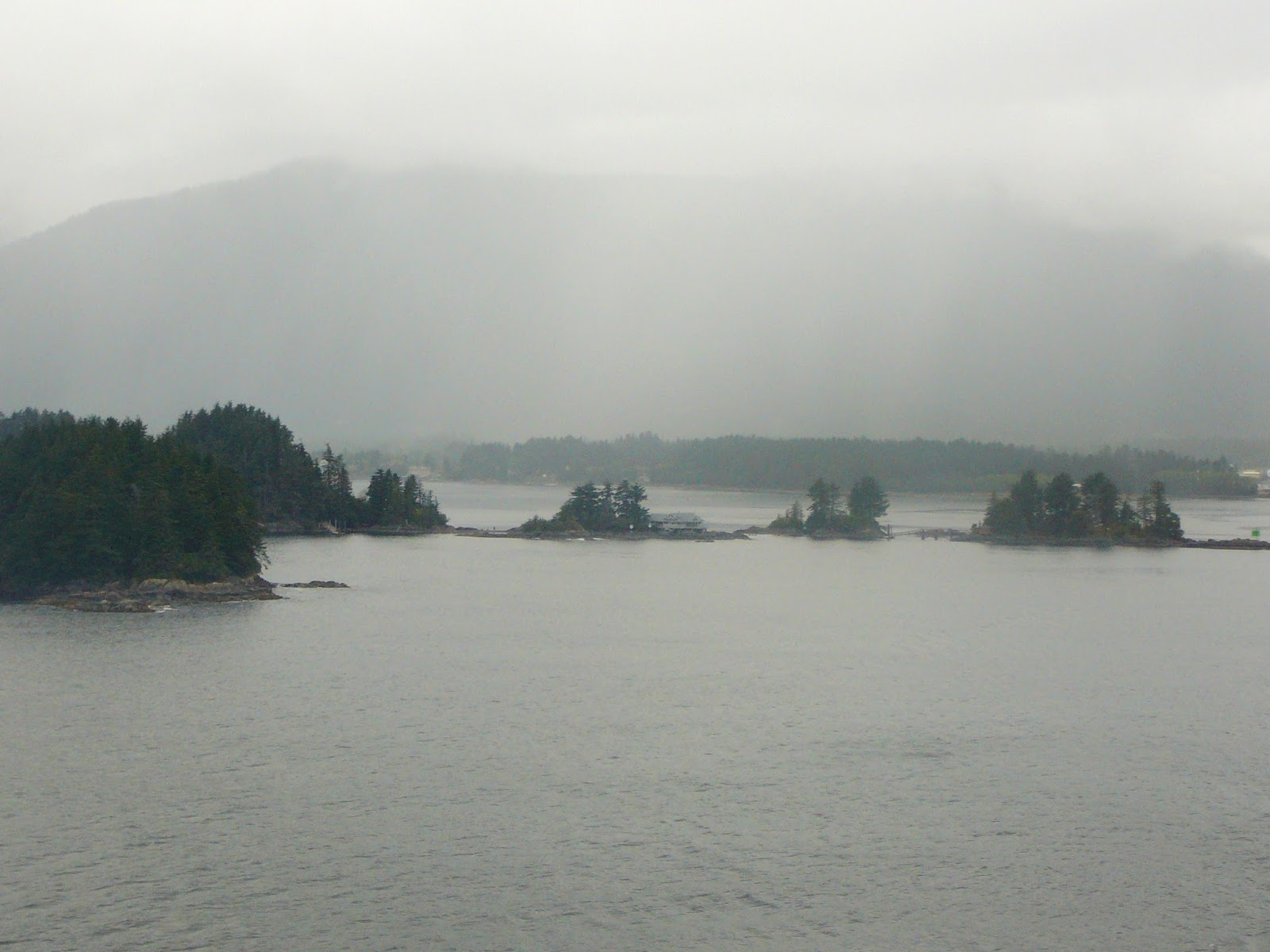
 That evening, after dinner I watched a show before going to bed but was woken about 2am by the movement of the ship, it must have been that storm! I felt so ill and needed a sea sick tablet whilst I was still lying down, I daren't get up! That went on until morning! As we approached Sitka the seas became calmer, and it was a lovely sight as we sailed past numerous small uninhabited islands full of dark fir trees that were silhouetted against the sky, and any houses, on the larger islands, were on stilts.

Sitka was the old Russian capital of Alaska, it is a small town and we were only going to be there for the morning. The town itself is spread over Baranof Island and belonged to Russia until 1867. There is still St Michael’s Orthodox Domed Cathedral and a Russian Bishop’s house there, from before it became part of America.

The lifeboats (tenders) were lowered onto the sea; they were completely covered in, with long benches and held up to 150 people. I could not believe the speed these lifeboats travelled at, and we were quickly on land. I hadn't booked any excursions here, so walked along the shoreline heading towards the National Park. As I passed the harbour there was the biggest splash, it was so loud, it sounded like it could have been a seal, but it was a salmon - huge salmon!

There was a stream, and it was alive with salmon trying to swim up it, and jump up the steps to get into the river further inland. There were thousands of salmon splashing about, I couldn't believe how noisy or how big they were.

I arrived at the entrance to the park, where there were maps and totem poles, and headed off along the coastal path where there was a marvellous view of our ship.

Sitka National Park is where Russia defeated the indigenous Tlingit people, it is very dense and the pine frees towered well above, obscuring most of the light and there were so many totem poles all telling different tales.

As I wandered through the forest, it was rather worrying when I heard rustling in the trees!

As I left the park there was a bald-headed eagle sitting on a nest high up in a tree - what a sight. It was so majestic! When I reached the area known as "downtown" Sitka, with its quaint, colonial styled buildings, shops and churches; I was desperate for sit down and a drink.

But there was hardly anywhere open, and as I was too tired to shop, I headed back to the ship. I was cold and wet, it had been drizzling for most of the morning and I had completely run out of energy. The sea was getting really choppy now and the tender boats were struggling to dock next to the ship. After lunch we departed through Sitka Sound and the ocean was actually calm for an hour or so, and the resident wildlife spotter was on the bridge pointing out any whales he saw.
At one time a hump back whale jumped completely out of the water - that was amazing to see. As we left the calm waters, the ocean got darker and rougher and the temperature dropped – it even started sleeting! It was rather difficult to walk about that evening and the after-dinner show was by an Olympic gymnast, which was quite entertaining.

Next morning, we arrived at Ketchikan (Alaska's first town on the edge of The Inside Passage) nice and early and guess what - it was raining again! Apparently, Alaska have thirteen feet of rain each year. I was booked on a trip to see the best of this town and make the most of the short time we were there. Although this little town gets over 800,000 visitors every year, none stop there for very long.

I thought we were going on a bus — but we were directed onto a little boat! We had an hour on this boat, travelling around the bay looking along the coast line for wildlife within the forest. This area is renowned for its wildlife including black bears, wolves and bald eagles but we only saw some harbour seals and an eagle on its nest. The pine trees were growing right down to the water’s edge, some were on rocky outcrops — goodness knows where their roots were!

We got off at a Salmon cannery that had closed down fifty years ago and was now a museum; and watched a film show about the history of the area, had a tour of the factory and were given some salmon dip to try. Outside there were more Salmon swimming upstream, and jumping up a waterfall - I have never seen so many fish — all trying to get back upstream to their spawning ground hundreds of miles inland.

Next, we were then taken to Saxman village, with the biggest collection of totem poles and went into a work shop to see someone making traditional totem poles.
 We arrived back at the dockside with only 30 minutes to spare, so I quickly took some photographs of the colourful houses on stilts by the river - that used to be the "Red light area"- lovely wooden buildings! Back on board for lunch and then a Line Dancing session in the Crow's nest - that was a laugh! As we sailed into the open sea - the North Pacific Ocean - the weather was taking a turn for the worse. The Captain warned us that the waves could get up to 10 metres high and that we might have to hold on walking around the ship - just for a change!
I had a relaxing evening and tried not to tempt fate by walking around or doing too much. Although the seas were rough all night, I managed to have a good night's sleep. I think I was getting used to the movement of the ship, or the tablets were working!

I woke to a lovely sunny morning at last; and after breakfast sat on a lounger on deck – snuggled under a blanket. Then I went to the theatre to be told what would happen when we disembarked tomorrow, before a game of bingo and a lottery game - where one of the women from our trip won a Caribbean cruise! It was glorious sunshine as we docked at Victoria, the capital of British Columbia on the Pacific Coast.

It was named after Queen Victoria and is one of the oldest cities in the Pacific Northwest, being a British settlement since 1843. It has some impressive Victorian architecture and historical buildings as well as the second oldest Chinatown in North America. Victoria is known as "The Garden City", as it has fifty-five acres of floral displays, water features and formal gardens – the most famous being Butchart Gardens. Unfortunately, these gardens were closed when we arrived – that was a real disappointment.

After disembarking, I followed the directions along the waterfront — heading towards the town where I saw the Government House and the Empress Hotel, and passed by a few interesting looking touristy shops. There were so many people about, mostly shopping and eating - I didn’t fancy doing either; so, I found a garden to explore and managed to see a great sunset.

Heading back towards the ship, I saw a quaint bus being pulled along by a horse with spiral lights on each corner and was so very relieved to finally see my ship -The Noordam. It did look a picture - all lit up.

I was absolutely shattered and so glad to get back on board ship, to more food, and then off to bed. I can't even remember the ship setting sail about 1.30am — next stop back at Seattle in the morning.
We docked very early in the morning, the sun was out and everyone was eager to disembark. Luckily, I didn't have to wait too long and walked off the ship at 8.00am and made my way to the coach that was to be home for the next week……………………but that’s another story!

Thanks for stopping by!
Lynne

I passed a totem pole display, a lighthouse and a bronze statue of a girl on a rock, before coming to a damaged section of the seawall where I had to head inland through the forest to Beaver Lake (which was covered in a mass of water lilies).

This walk was never 8km! I headed towards the sea again, Third beach, then Second beach - a lovely area with a pool and lots of play activities.
After passing English beach, a favourite weekend spot for the locals, I turned back towards the city, through an area known as Gas town and saw the most unusual steam powered clock that played a tune and steamed every fifteen minutes.

I passed the Canadian Pacific Railway station and ended up in Chinatown — which was the most scary place ever! When I arrived back at the safety of the hotel, I had walked miles and was now looking forward to a rest on board ship tomorrow! Next morning, we were heading down to Seattle to catch the ship; but had to stop at the American border and waited there nearly four hours - it was dreadful. Someone on my coach was detained and we never saw him again! It was torrential rain as we headed through the state of Washington, and I could only imagine how beautiful the thick, green forest would have looked, that we were speeding through - finally arriving at the port of Seattle with no time to spare.

I was so excited to be directed to my "stateroom" - there were people everywhere in life jackets - it looked like I had missed the life boat drill! My room was far nicer than I expected, with a good-sized bed, settee, table, TV/DVD, bathroom etc; and the ship itself was more luxurious than I thought it would be. After quickly unpacking I went up on deck; luckily it had stopped raining, and I was able to enjoy watching us set sail.

You could hardly tell the ship was moving, it left Seattle so gracefully and the sea was very calm - I could cope with this! I had heard that if you felt sea sick, you could get some special tablets from the reception! I explored the ship, got rather lost, and discovered lots of bars and restaurants! I had a wonderful dinner - there was such a choice of food, I was going to have to be very restrained! And when I got back to my cabin, there was a basket of fruit and chocolates on the bed – more food!

Next morning the rain had stopped and the sea looked a picture with the sun glistening and whales and porpoises spouting water into the air. After breakfast it was time for the “Explore Alaska Show”, but I had to leave early to attend the missed life boat drill; but I managed to see the next show which was all about Juneau and Sitka - our first two ports of call. Then I called in at reception for some of their very good seasick tablets – just in case! After lunch and a quick stroll around the deck (3 times around was a mile!) I enjoyed a show about Glaciers, before the formal dinner night, where I had to get dressed up and headed for the restaurant. I was seated with some ladies from the tour I was going to be on next week and it was a good evening and I really enjoyed their company. After dinner I walked around the ship again, stopped by the casino, and saw some of the cabaret; I couldn't believe how many people were seasick and hadn't even left their cabins - the tablets must have worked for me. All through the night the ship continued to rock - the winds had been gusting up to 70 miles per hour.

We stopped at 4am to collect the Park Rangers at the entrance to Glacier bay, they were to be with the ship all day, and once they were on board the sea began calming down. I got up and excitedly hurried upstairs for my first view of the infamous Glacier bay.

What a change from the night before! The ocean was so calm it wasn't real - it was as if you were on a gigantic lake - not the ocean. There were porpoises, sea lions and seals following the ship - that seemed to be hardly moving at all, we were just drifting along.

The sky was dull, and the clouds were so very low over the hills and mountains that surrounded us. It was so atmospheric. The dense forest grows up to within a foot or two of the water’s edge, with only a sliver of shingle separating the trees from the ocean. Humpback whales were blowing their spouts in every direction, and as I opened the door to go out on Deck, a killer whale rose out of the water in front of me – it was a heart stopping moment.

There were eagles and so many other birds following the line of our ship. Never before had I experienced such an expanse of calm, unspoilt wilderness, and felt so privileged to be floating so quietly through it. As the morning progressed the ocean began changing colour, was it getting bluer, or was it greener?

Little white “things” started floating past us; if you had been anywhere else in the world you would have thought that they were rubbish carrier bags — but these were little icebergs! And they were getting bigger and more frequent! As we got closer to the glaciers, the water became cloudy, it is the silt that travels inside the ice within the glacier that causes the colour change.

Some of the glaciers were up to twenty-five storeys high - with electric blue and bright red streaks running down the front of them. The ship waited by each glacier and when ice calved off the front edge and crashed into the sea, it was like an explosion! And thousands of new icebergs were then floating in the ocean!

Some glaciers are up to thirty-nine miles long and it has taken thousands of years for the compacted ice to reach the ocean, after originally falling as snow.


Excitement next when it was announced bears had been spotted! It was difficult to see them at first, these Brown Bears blended into the mountainside so well, but I saw one getting out of the water, and climbing onto a rock.

When I next saw them, 2 young bears were following the “mummy bear” up a rocky slope. Everyone was outside watching this family scurrying up the mountain until they were mere specks in the distance - what a buzz around the ship – “we had actually seen real, live bears in the wild”!


I was absolutely elated, but there was still more to see - the magnificent view in every direction. The front of the ship was opened up so that we could get even closer to the front of the glaciers, the sun was still shining and my face was getting redder.

Eventually, the ship turned around - a last look at the glaciers; they were left behind in the distance now, but their magnificence and splendour would stay with me forever. The colours of the ocean, the brightness when the sun shone, no-one could have experienced this amazing wilderness any better than it had been today.

I could not stop watching outside until it was dark. A quick change before the evening meal and then to see an Elton John show and have a sing a- long. Then a stroll around the deck, the view was total blackness, no lights or stars anywhere to be seen – such a contrast to earlier in the day. What a day it had been!

The weather was going to get worse — the storm hadn't arrived yet. So, I had to do some exploring in the rain; starting at the Alaskan state museum where I learnt about the history of the early pioneers and the lives of the various Eskimo peoples. I even did some shopping in the sales because it was the last week of the tourist season, before returning to the comfort of the ship.


Sitka was the old Russian capital of Alaska, it is a small town and we were only going to be there for the morning. The town itself is spread over Baranof Island and belonged to Russia until 1867. There is still St Michael’s Orthodox Domed Cathedral and a Russian Bishop’s house there, from before it became part of America.

The lifeboats (tenders) were lowered onto the sea; they were completely covered in, with long benches and held up to 150 people. I could not believe the speed these lifeboats travelled at, and we were quickly on land. I hadn't booked any excursions here, so walked along the shoreline heading towards the National Park. As I passed the harbour there was the biggest splash, it was so loud, it sounded like it could have been a seal, but it was a salmon - huge salmon!

There was a stream, and it was alive with salmon trying to swim up it, and jump up the steps to get into the river further inland. There were thousands of salmon splashing about, I couldn't believe how noisy or how big they were.

I arrived at the entrance to the park, where there were maps and totem poles, and headed off along the coastal path where there was a marvellous view of our ship.

Sitka National Park is where Russia defeated the indigenous Tlingit people, it is very dense and the pine frees towered well above, obscuring most of the light and there were so many totem poles all telling different tales.

As I wandered through the forest, it was rather worrying when I heard rustling in the trees!

As I left the park there was a bald-headed eagle sitting on a nest high up in a tree - what a sight. It was so majestic! When I reached the area known as "downtown" Sitka, with its quaint, colonial styled buildings, shops and churches; I was desperate for sit down and a drink.

But there was hardly anywhere open, and as I was too tired to shop, I headed back to the ship. I was cold and wet, it had been drizzling for most of the morning and I had completely run out of energy. The sea was getting really choppy now and the tender boats were struggling to dock next to the ship. After lunch we departed through Sitka Sound and the ocean was actually calm for an hour or so, and the resident wildlife spotter was on the bridge pointing out any whales he saw.
At one time a hump back whale jumped completely out of the water - that was amazing to see. As we left the calm waters, the ocean got darker and rougher and the temperature dropped – it even started sleeting! It was rather difficult to walk about that evening and the after-dinner show was by an Olympic gymnast, which was quite entertaining.

Next morning, we arrived at Ketchikan (Alaska's first town on the edge of The Inside Passage) nice and early and guess what - it was raining again! Apparently, Alaska have thirteen feet of rain each year. I was booked on a trip to see the best of this town and make the most of the short time we were there. Although this little town gets over 800,000 visitors every year, none stop there for very long.

I thought we were going on a bus — but we were directed onto a little boat! We had an hour on this boat, travelling around the bay looking along the coast line for wildlife within the forest. This area is renowned for its wildlife including black bears, wolves and bald eagles but we only saw some harbour seals and an eagle on its nest. The pine trees were growing right down to the water’s edge, some were on rocky outcrops — goodness knows where their roots were!

We got off at a Salmon cannery that had closed down fifty years ago and was now a museum; and watched a film show about the history of the area, had a tour of the factory and were given some salmon dip to try. Outside there were more Salmon swimming upstream, and jumping up a waterfall - I have never seen so many fish — all trying to get back upstream to their spawning ground hundreds of miles inland.

Next, we were then taken to Saxman village, with the biggest collection of totem poles and went into a work shop to see someone making traditional totem poles.

I had a relaxing evening and tried not to tempt fate by walking around or doing too much. Although the seas were rough all night, I managed to have a good night's sleep. I think I was getting used to the movement of the ship, or the tablets were working!

I woke to a lovely sunny morning at last; and after breakfast sat on a lounger on deck – snuggled under a blanket. Then I went to the theatre to be told what would happen when we disembarked tomorrow, before a game of bingo and a lottery game - where one of the women from our trip won a Caribbean cruise! It was glorious sunshine as we docked at Victoria, the capital of British Columbia on the Pacific Coast.

It was named after Queen Victoria and is one of the oldest cities in the Pacific Northwest, being a British settlement since 1843. It has some impressive Victorian architecture and historical buildings as well as the second oldest Chinatown in North America. Victoria is known as "The Garden City", as it has fifty-five acres of floral displays, water features and formal gardens – the most famous being Butchart Gardens. Unfortunately, these gardens were closed when we arrived – that was a real disappointment.

After disembarking, I followed the directions along the waterfront — heading towards the town where I saw the Government House and the Empress Hotel, and passed by a few interesting looking touristy shops. There were so many people about, mostly shopping and eating - I didn’t fancy doing either; so, I found a garden to explore and managed to see a great sunset.

Heading back towards the ship, I saw a quaint bus being pulled along by a horse with spiral lights on each corner and was so very relieved to finally see my ship -The Noordam. It did look a picture - all lit up.

I was absolutely shattered and so glad to get back on board ship, to more food, and then off to bed. I can't even remember the ship setting sail about 1.30am — next stop back at Seattle in the morning.
We docked very early in the morning, the sun was out and everyone was eager to disembark. Luckily, I didn't have to wait too long and walked off the ship at 8.00am and made my way to the coach that was to be home for the next week……………………but that’s another story!

Thanks for stopping by!
Lynne
Please check out my other blogs ..............